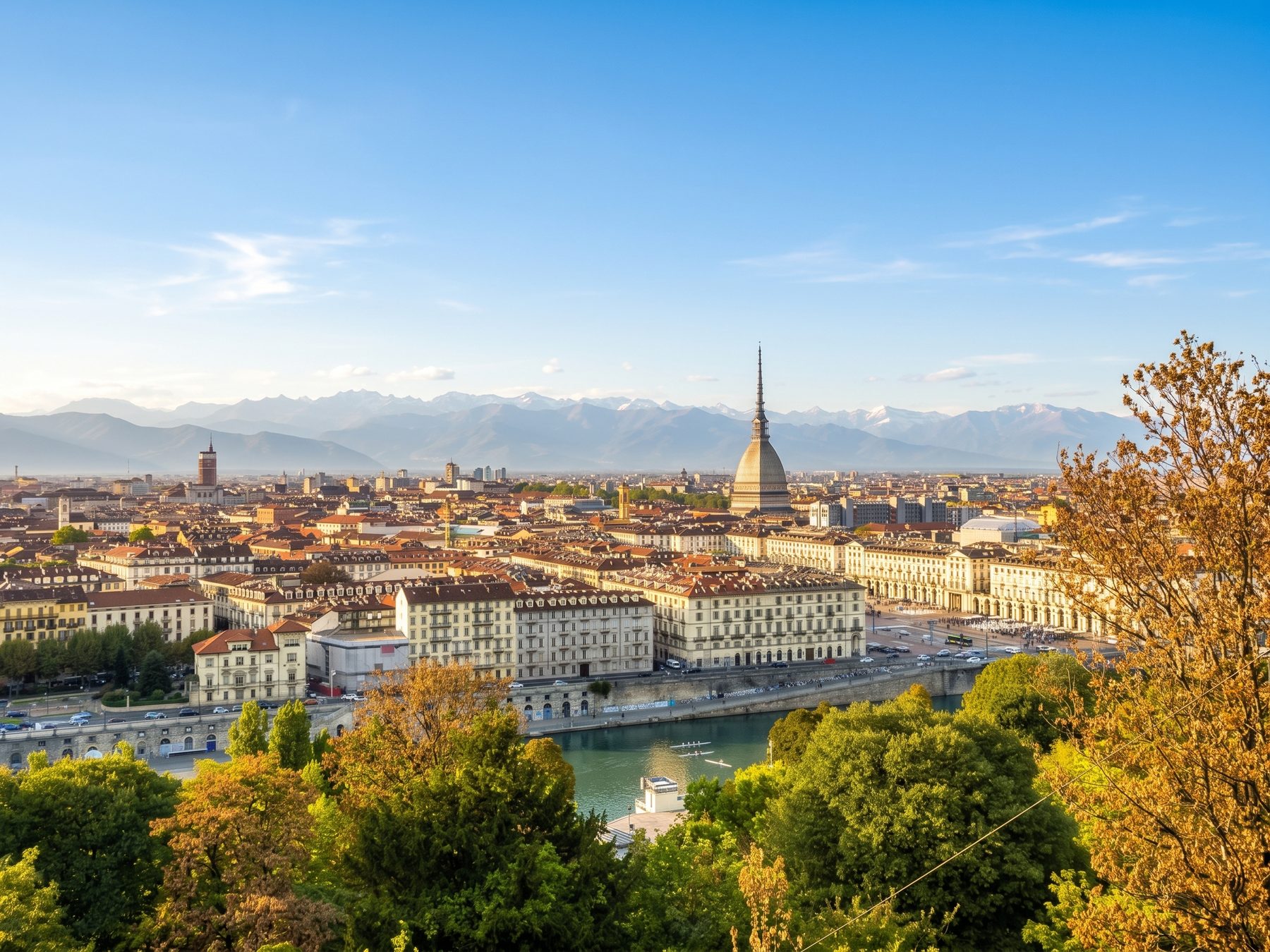
San Secondo 12 · Torino · Piemonte
Discover the
City
Our curated guide to Torino's finest — real places across the city, all an easy walk (or short ride) from the apartment.
Explore the guide →
San Secondo 12 · Torino · Piemonte
Our curated guide to Torino's finest — real places across the city, all an easy walk (or short ride) from the apartment.
Explore the guide →"Torino doesn't shout about itself — it rewards the people who actually walk its streets."
Explore by category
From a rooftop test track to Baroque piazze, from neighbourhood trattorie to the world's second-largest Egyptian collection — Torino rewards a few unhurried days.
Luoghi da Visitare
Torino's centro storico rewards walking — Baroque piazze, a landmark tower, and a riverside park all sit within a short stroll of the apartment.
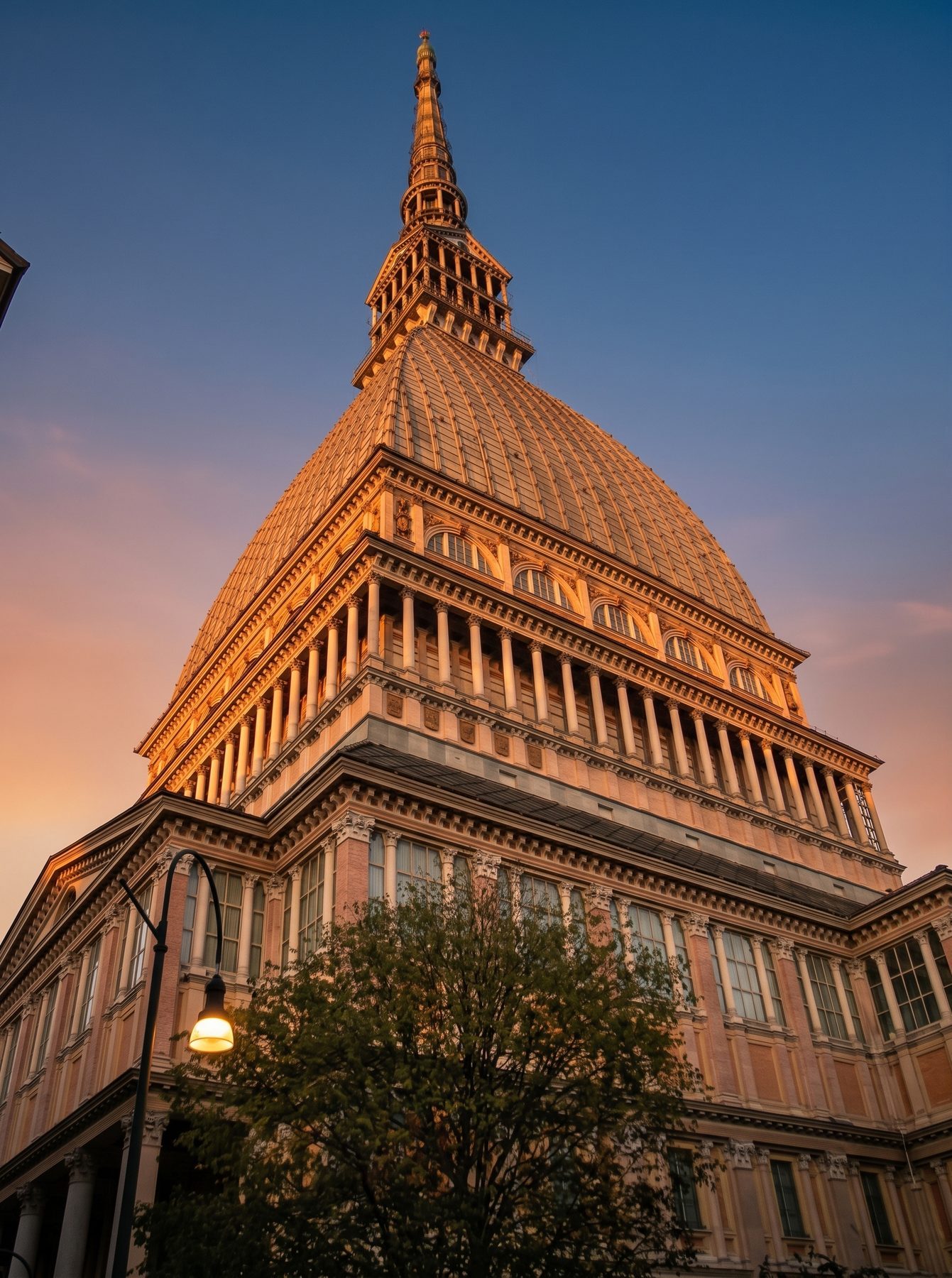
Torino's unmistakable skyline landmark, home to the National Museum of Cinema — take the glass lift to the panoramic terrace for a full view over the city and the Alps beyond.
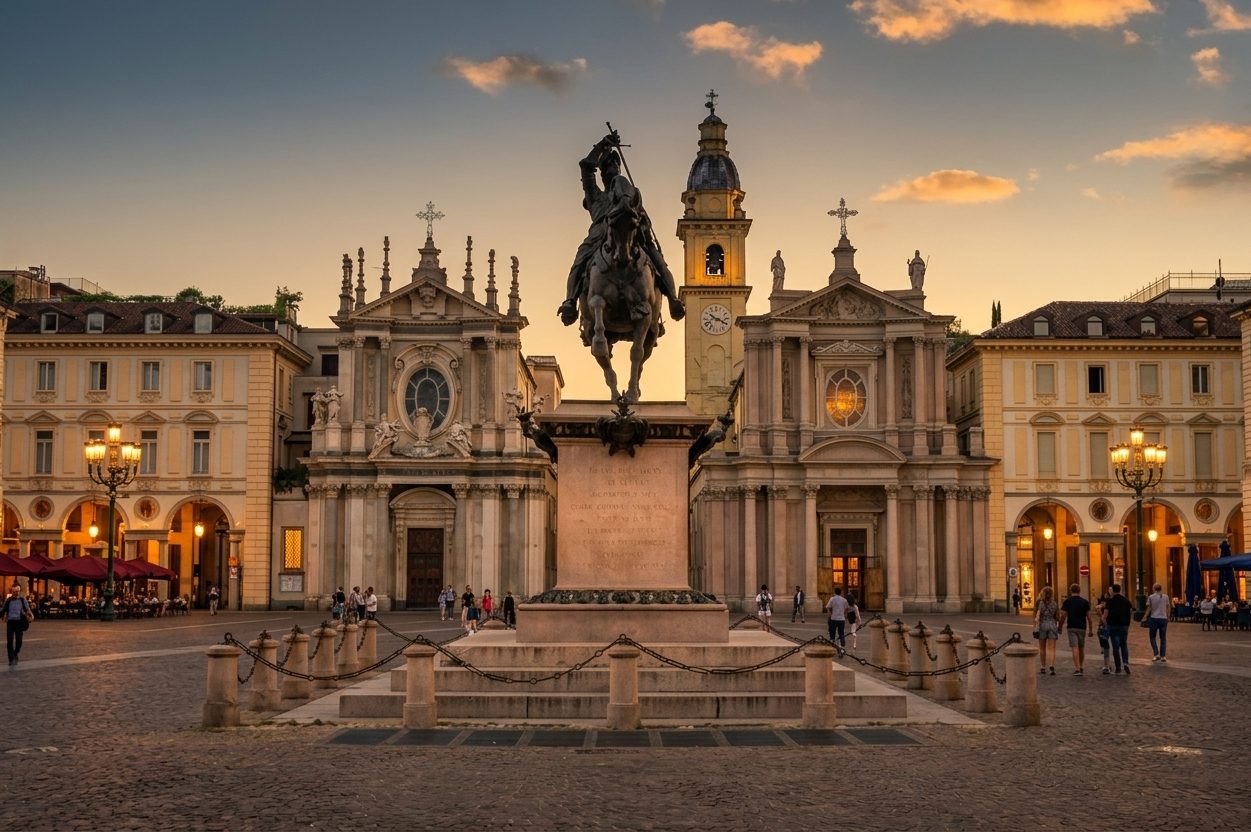
Torino's grand 17th-century piazza — porticoed arcades, twin Baroque churches, equestrian statue, and two of the city's oldest historic cafés facing each other across the square.
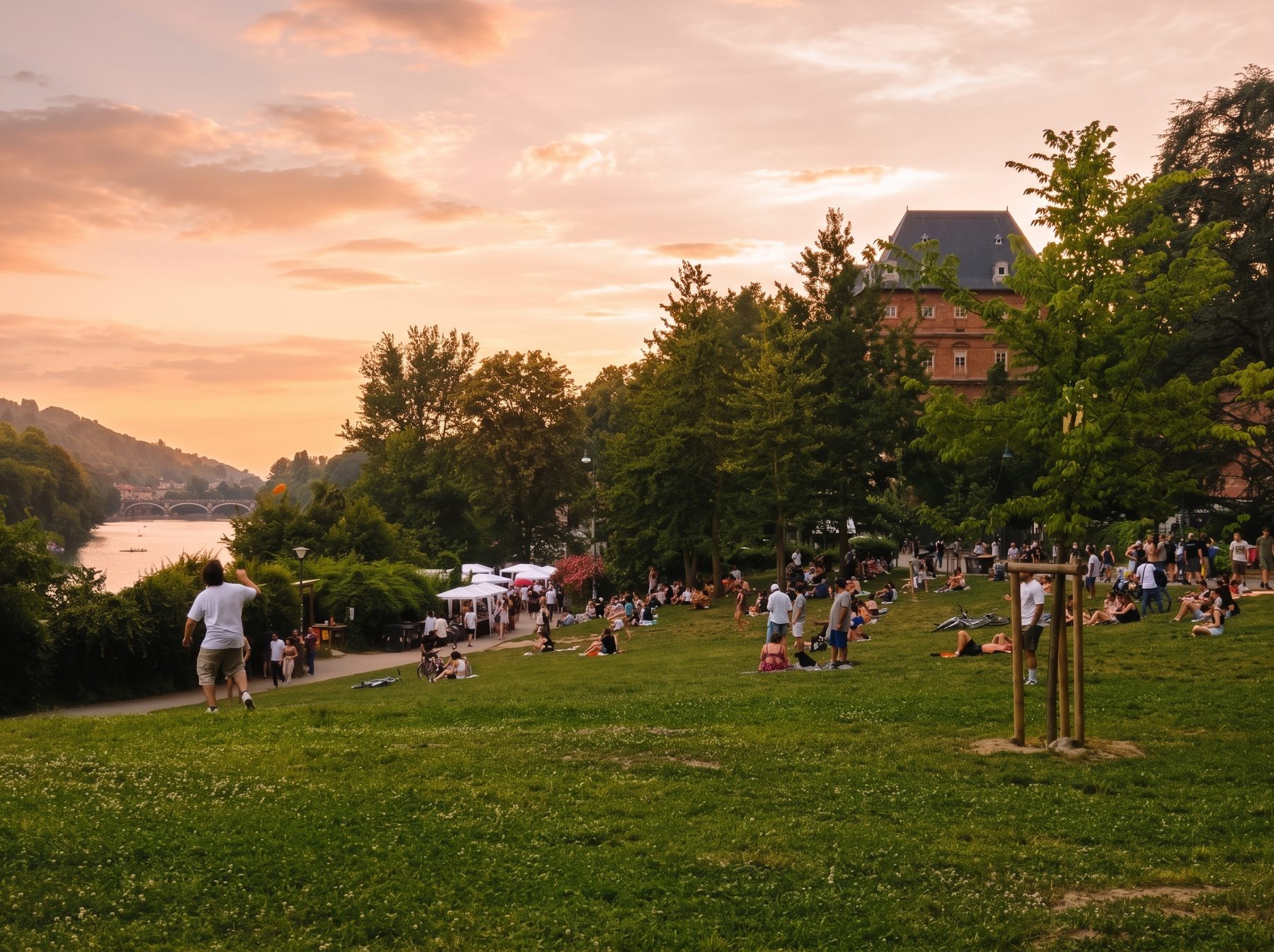
A wide riverside park along the Po, home to the fairy-tale Borgo Medievale — Torino's answer to a proper green escape without ever leaving the city centre.
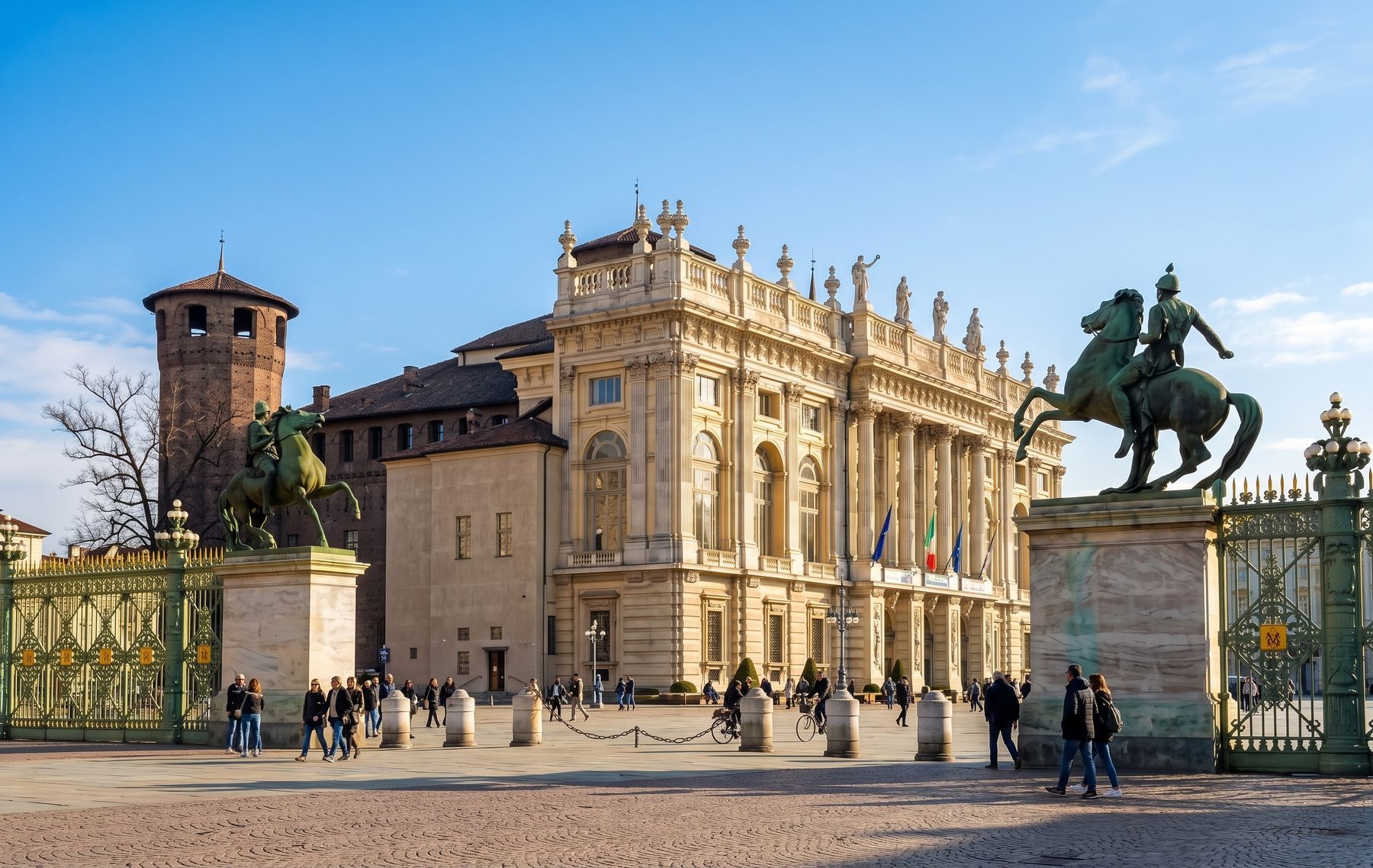
Torino's ceremonial centre since 1587 — Palazzo Madama rises from a Roman gate turned medieval fortress, facing the Royal Palace across the same UNESCO-listed square.
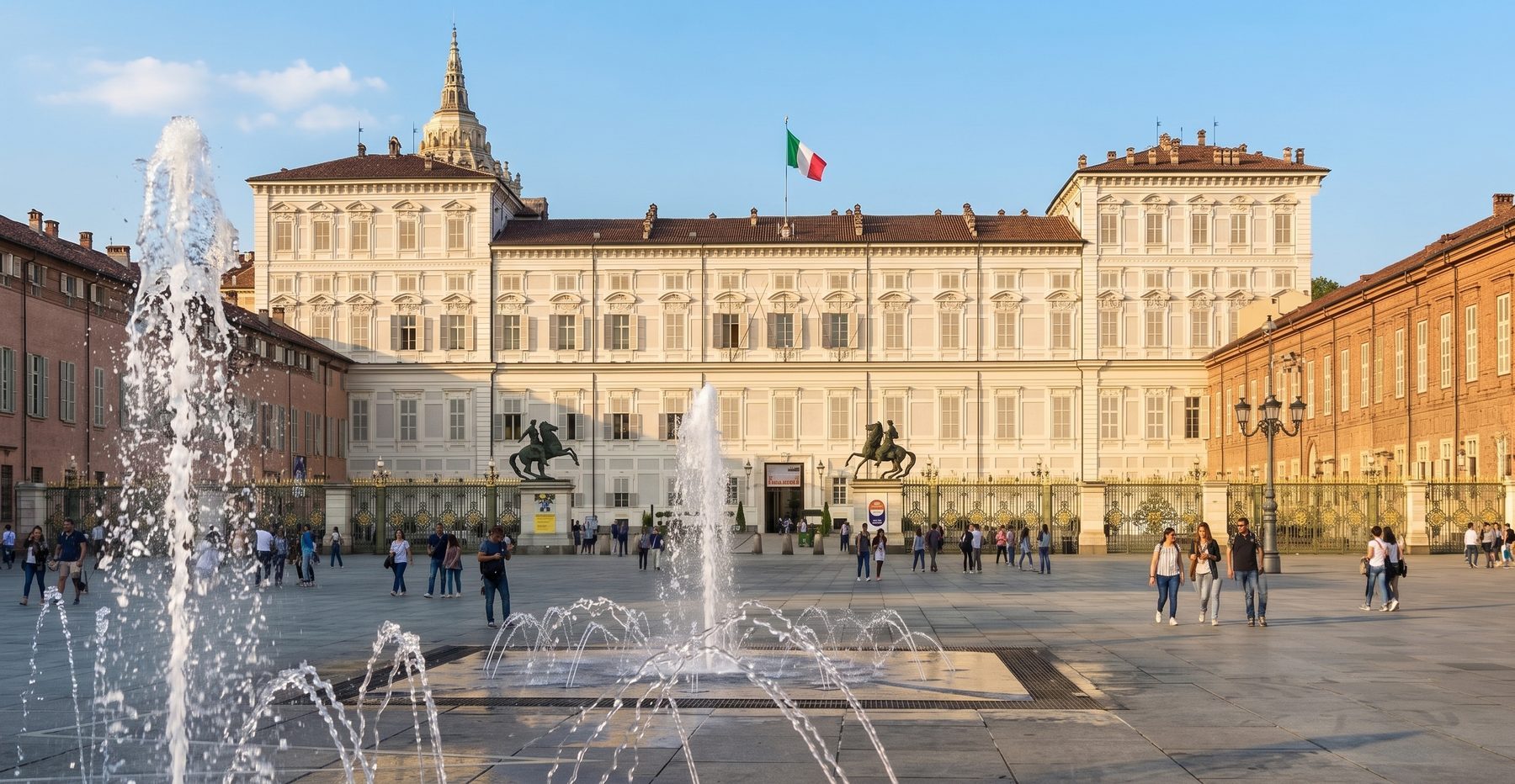
The former seat of the House of Savoy, royal residence until 1865 and used by the family until 1946 — now a UNESCO-listed palace of state apartments and gardens.
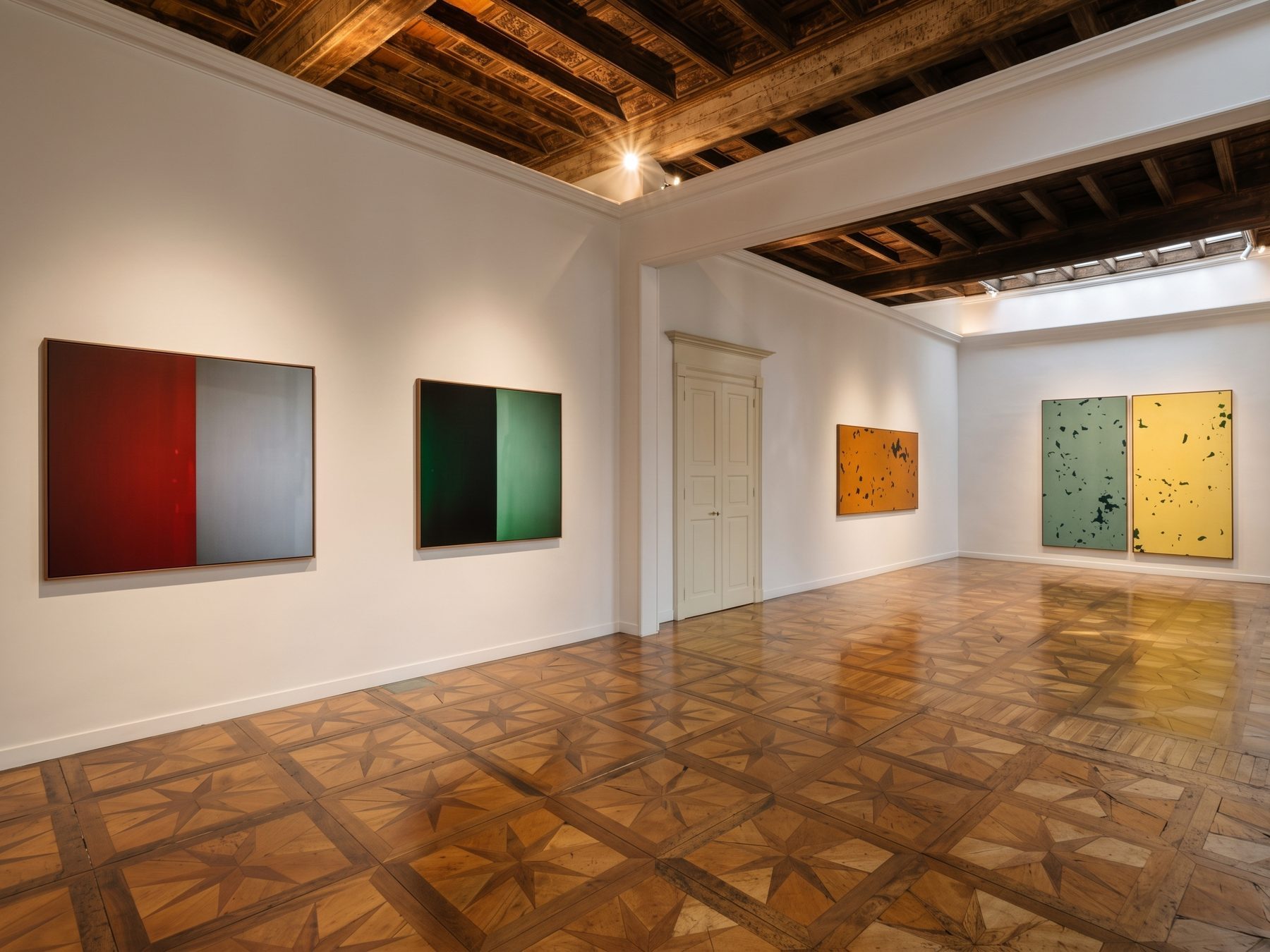
One of Torino's leading contemporary art galleries since 1970, closely linked to the Arte Povera movement, now housed in the historic Palazzo Scaglia di Verrua.
A 17th-century Capuchin church perched on a hill above the Po, with one of Torino's best panoramic terraces looking back over the city and the Alps.
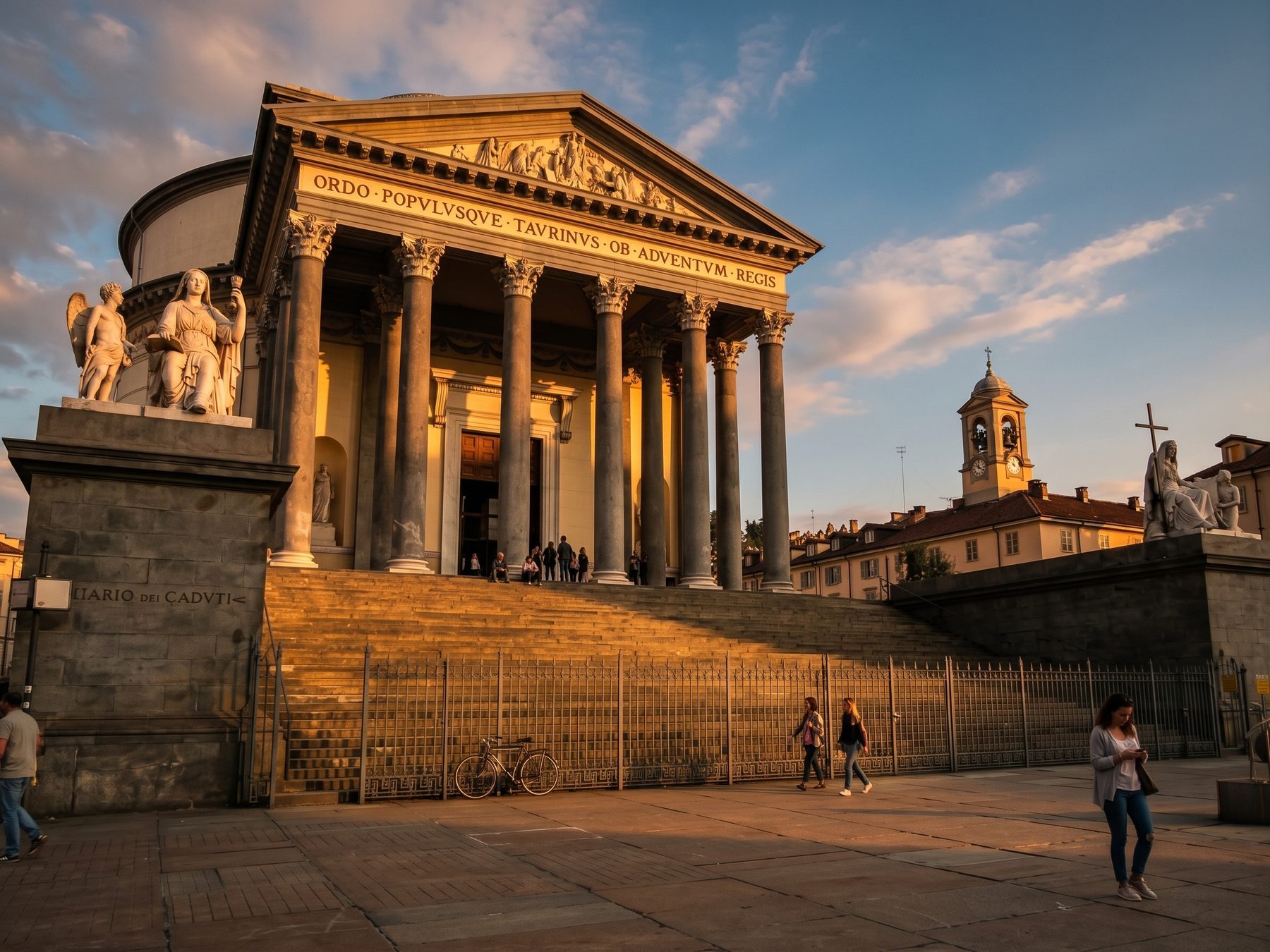
A neoclassical church modelled on Rome's Pantheon, built 1818–1831 to mark the Savoy's return to Torino, standing across the Po from Piazza Vittorio Veneto.
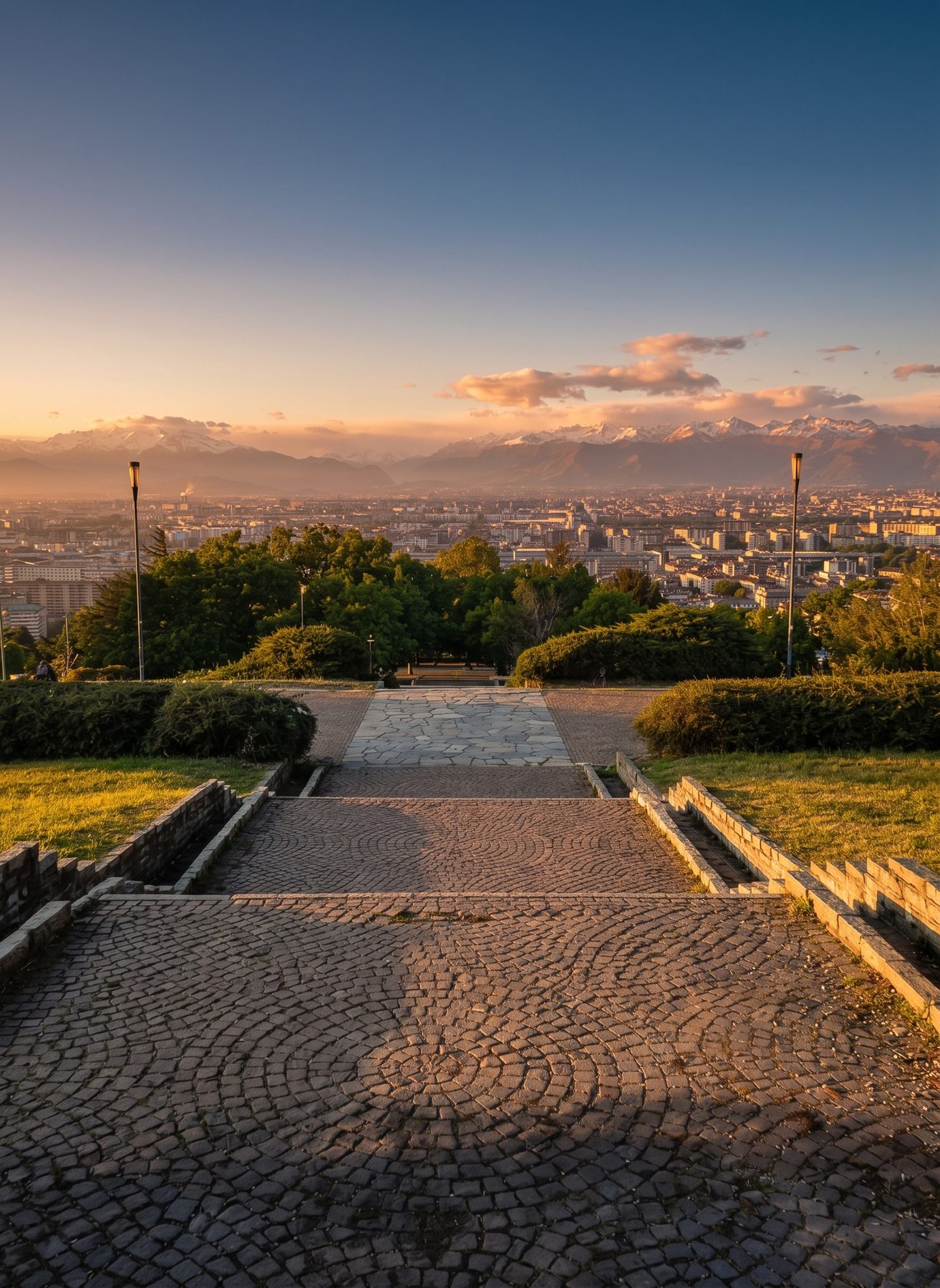
A hilltop WWI memorial park planted in 1925, crowned by the winged Faro della Vittoria statue and some of the widest views over Torino and the Alps.
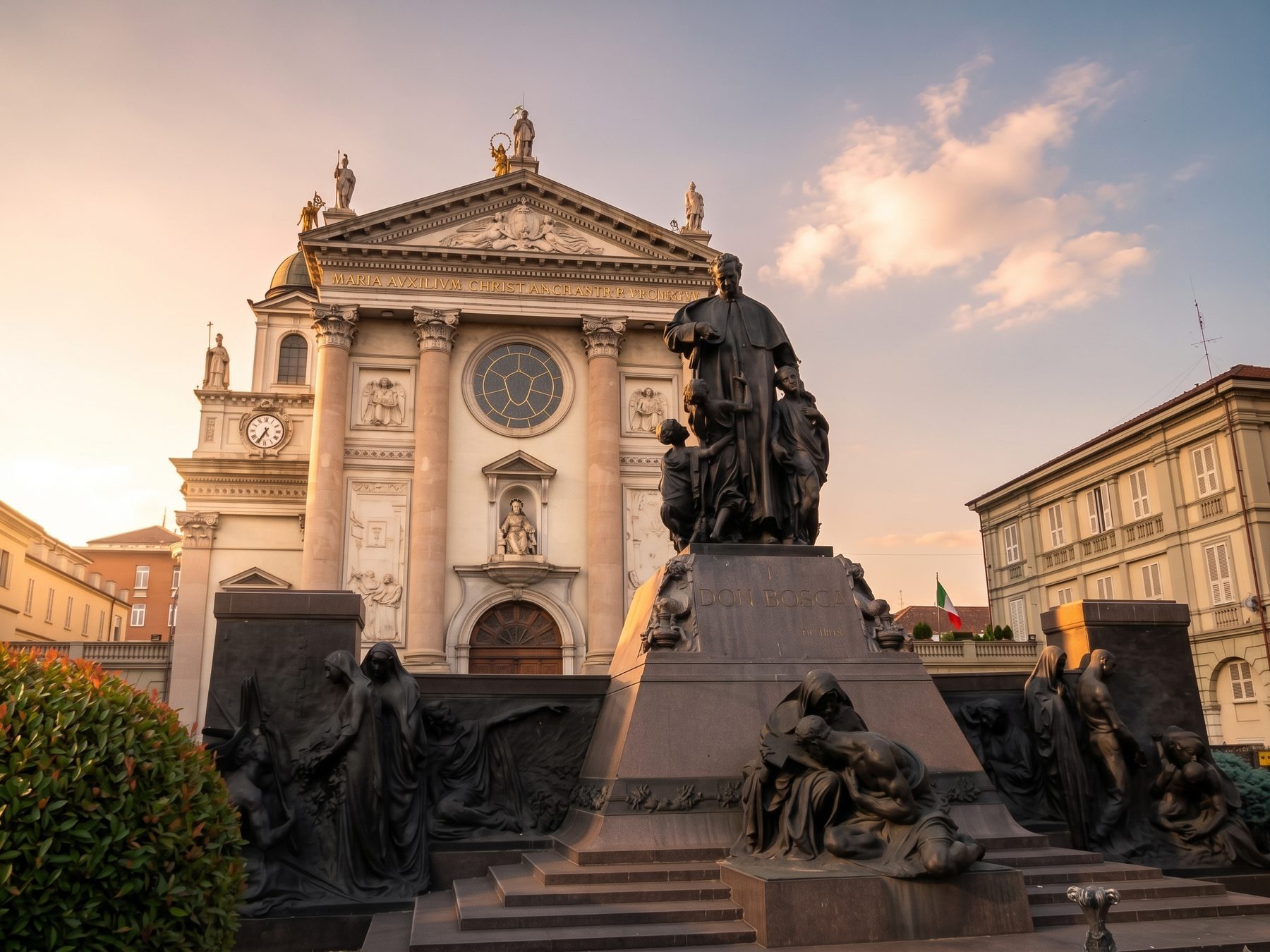
Built by Don Bosco in the 1860s in the Valdocco district where he cared for Torino's poorest boys — the basilica now holds his remains and remains an active pilgrimage site.
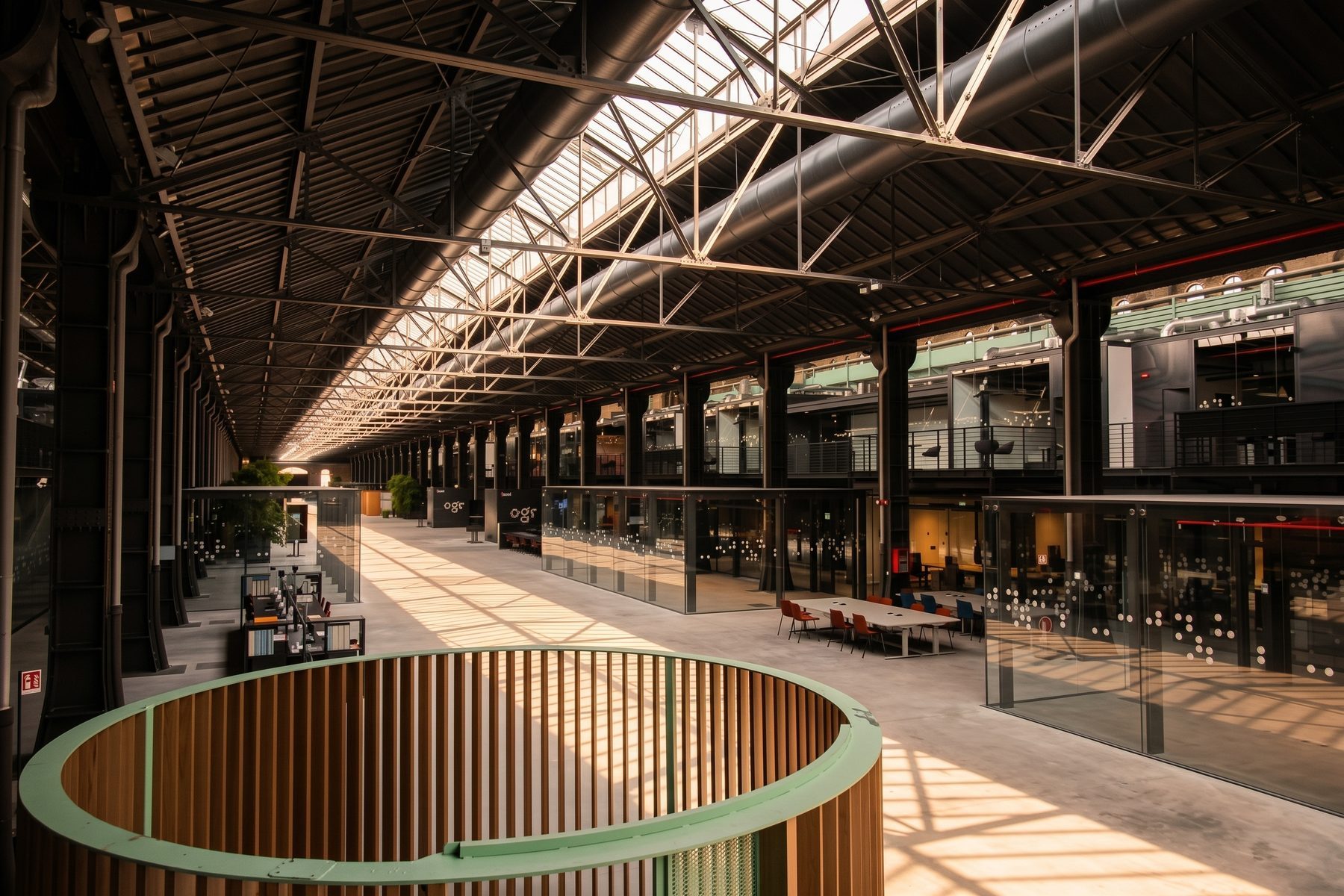
Torino's 1880s locomotive repair workshops, restored by Fondazione CRT and reopened in 2017 as a 35,000-sqm hub for contemporary art, music and research.
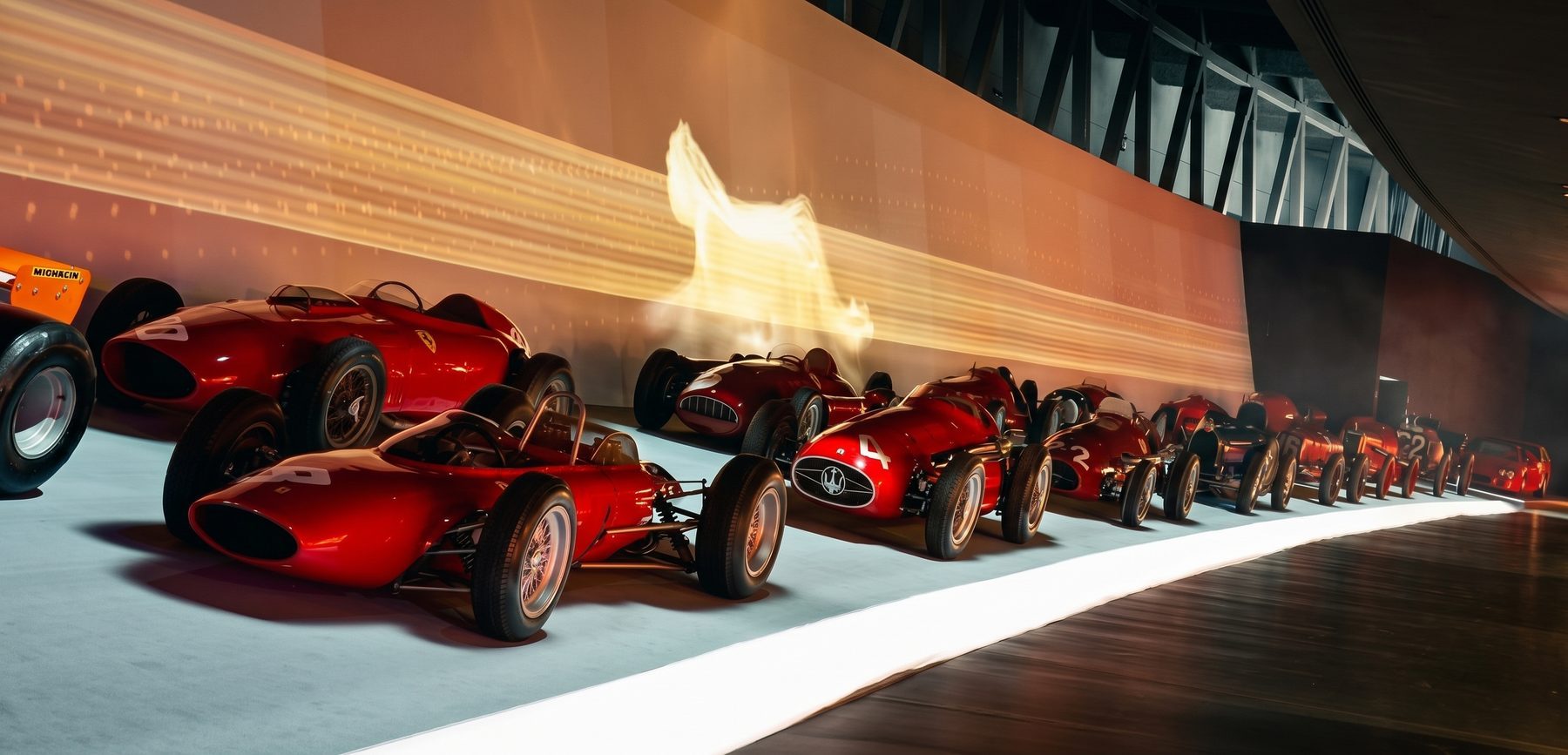
Founded in 1933, this museum traces Torino's role as the birthplace of Italy's car industry through almost 200 vehicles from roughly eighty brands.
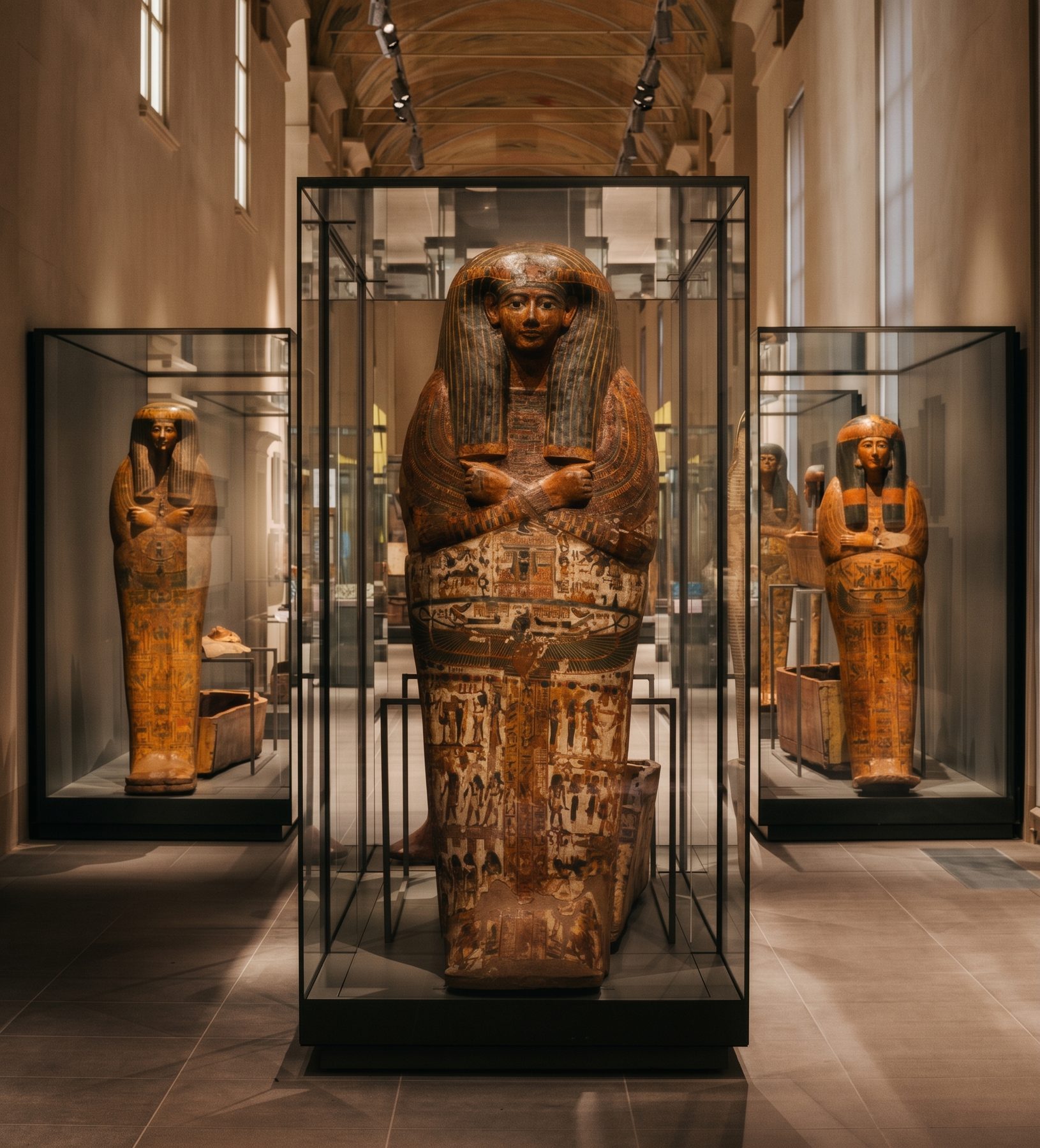
The second-largest collection of Egyptian antiquities in the world after Cairo — a genuinely world-class museum, and one of Torino's must-do mornings.
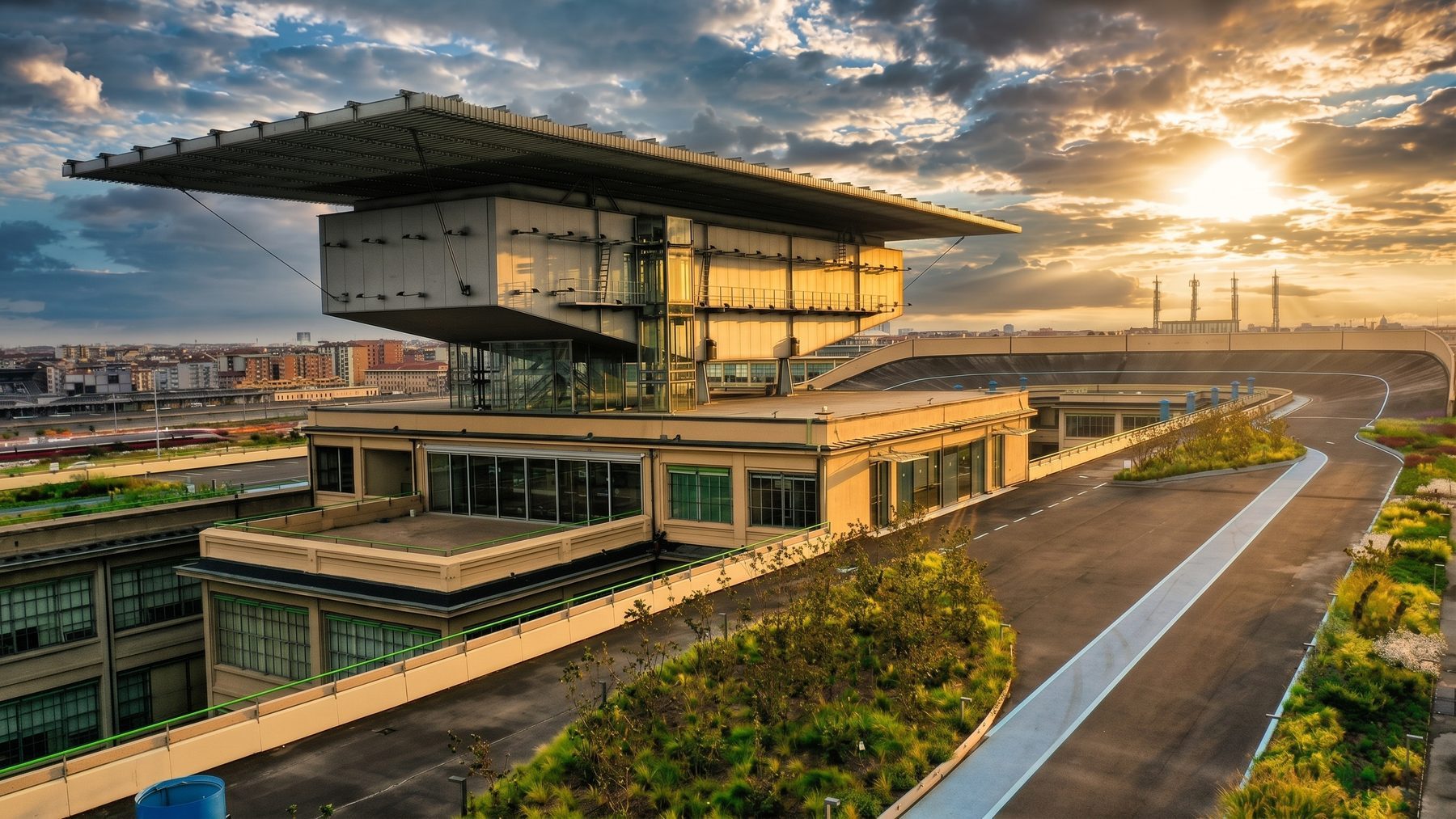
The legendary rooftop test track from the old Fiat Lingotto factory — now walkable, with the Pinacoteca Agnelli's art collection floating just below it.
Dining
From neighbourhood trattorie to modern osterie built around small producers — Torino's table is Piedmontese to its core, and most of it is a short walk from your door.
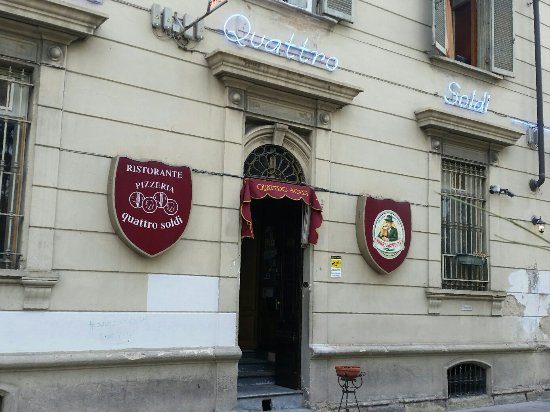
A Crocetta fixture for over fifty years — once called Tre Scalini — serving honest, no-frills Piedmontese classics to a loyal neighbourhood crowd.
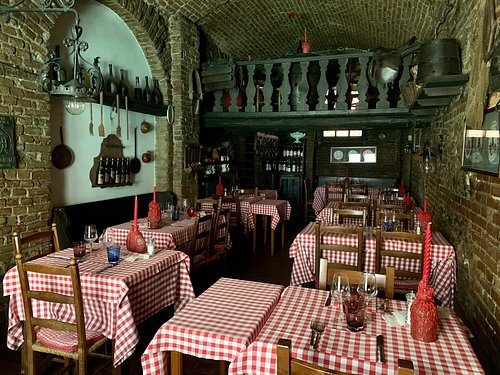
A cosy, candlelit room a few blocks from the apartment, built for a quiet dinner over tajarin ai porcini, agnolotti and bagna caoda.
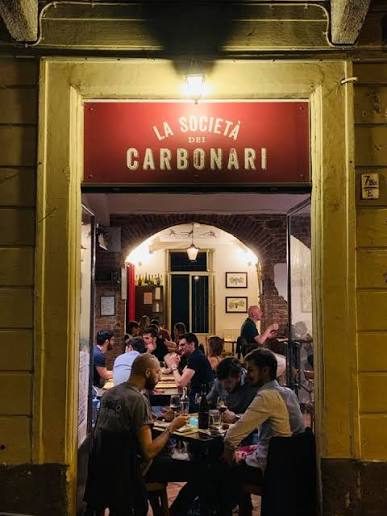
A lively San Salvario dinner spot giving Piedmontese classics a modern twist — Fassona tartare, a strong cheese board, and plin dressed with wild herbs.
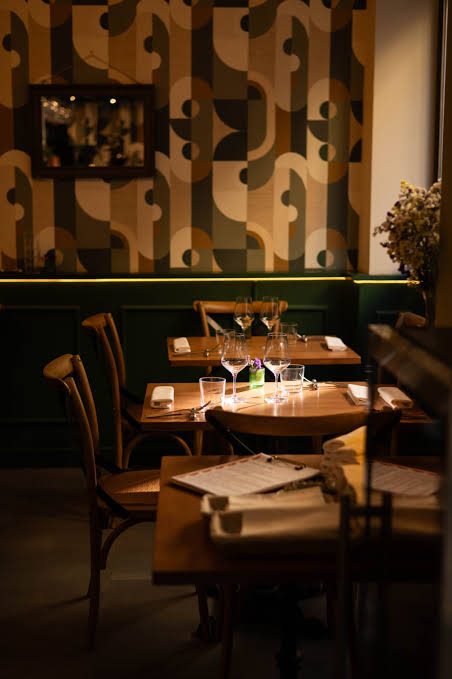
A San Salvario osteria from chef Luca Leonardi treating Piedmontese tradition as a living language — tajarin with guinea fowl ragù and Castelmagno, braised beef in Barbaresco sauce.
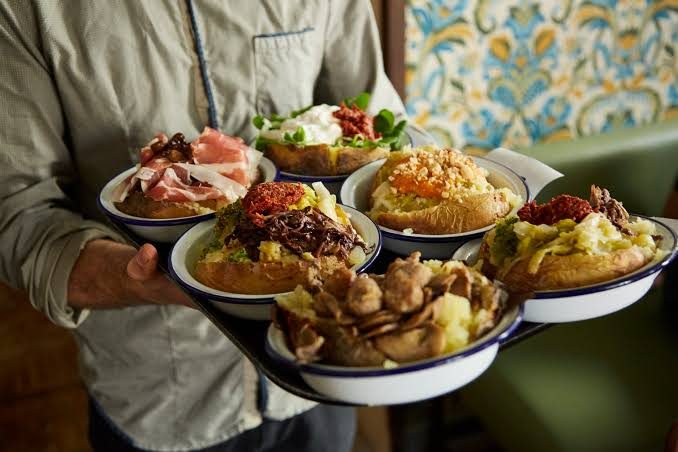
Torino's best-known baked-potato counter since 2011 — split, piled with proper Piedmontese fillings, and perfect for a fast, casual meal by Porta Nuova.
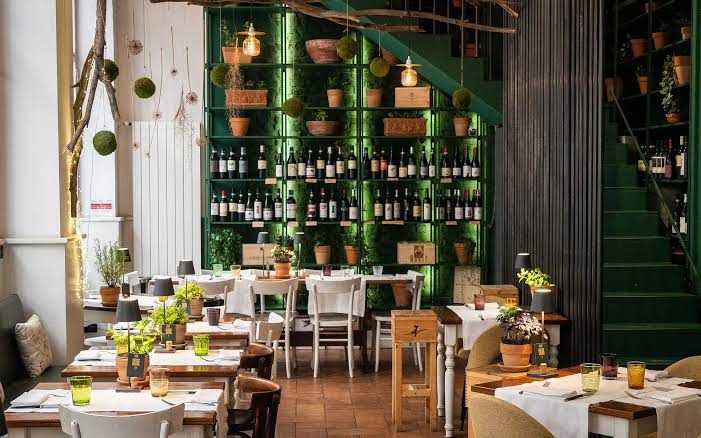
A playful "imperfect trattoria" inside the historic Galleria Umberto I, known for stuffed baked potatoes reworked with small-producer Piedmontese ingredients.
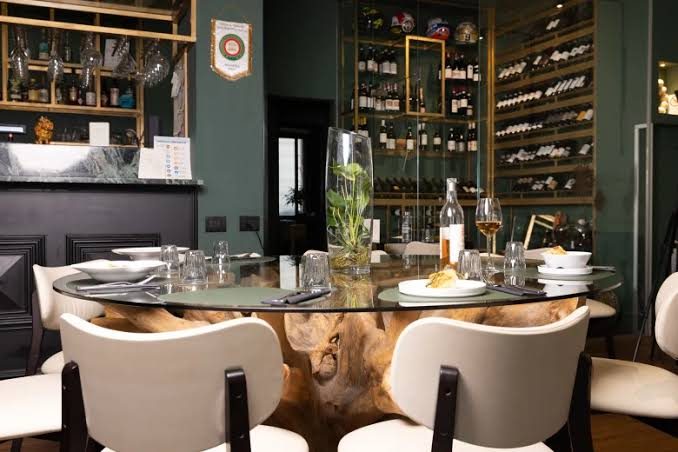
A tiny 28-cover room in Cit Turin built around foraged herbs and seasonal vegetables, with three evening tasting menus and a signature herb-filled raviolo.
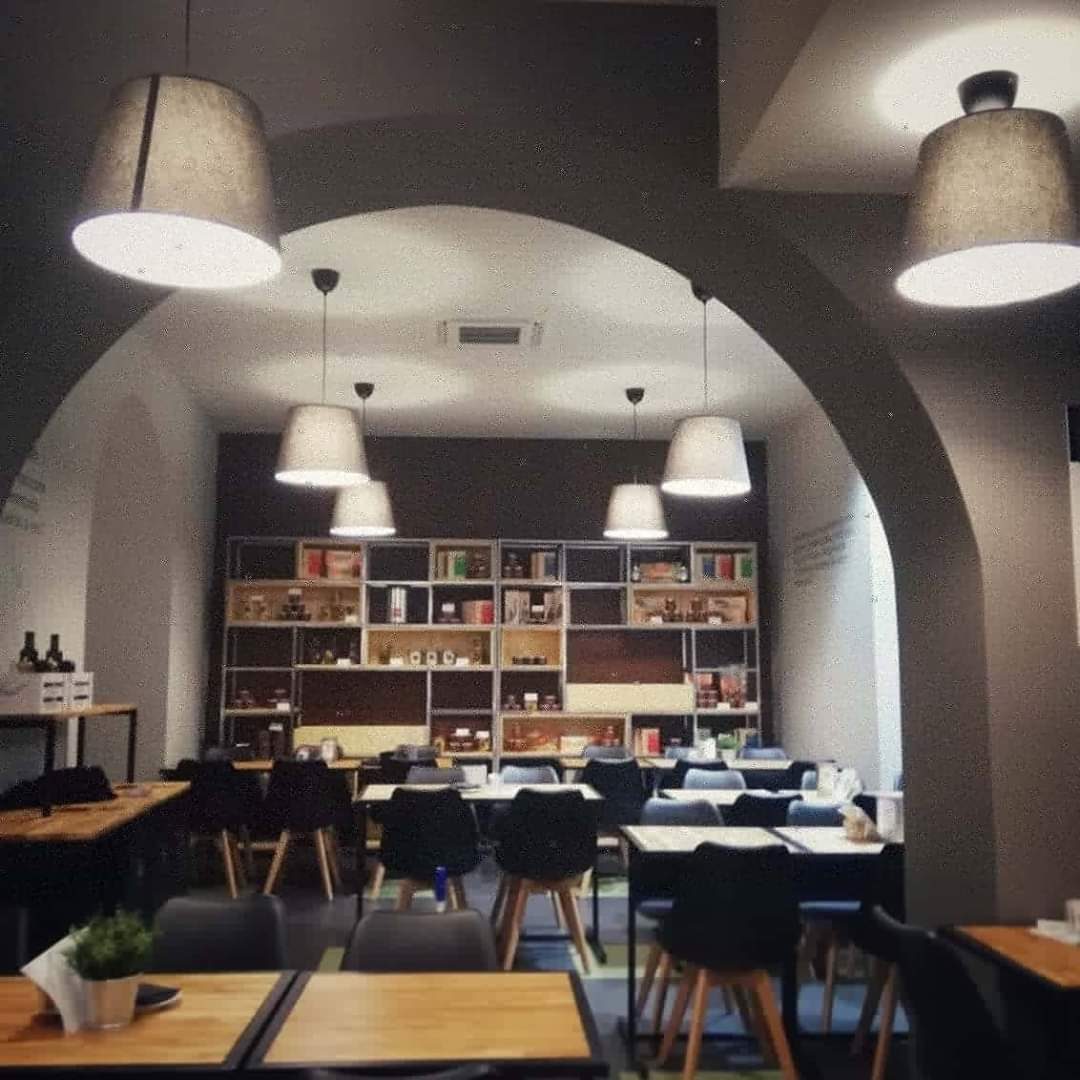
Chef Flavio Ghigo's gourmet focaccia counter grew into a full trattoria on Via Bertola, serving traditional Cuneese dishes alongside its famous filled focacce.
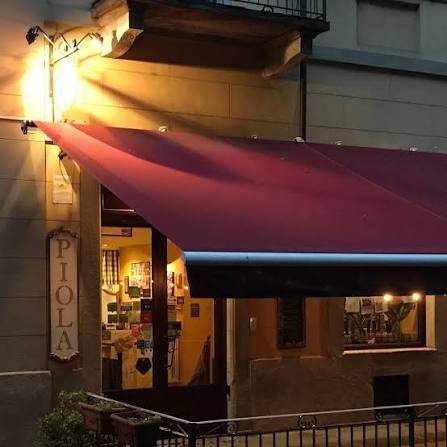
A vintage bistrot open since 2005, with jazz posters and reclaimed teak tables, serving classic plin, bollito and bagna caoda without fuss.
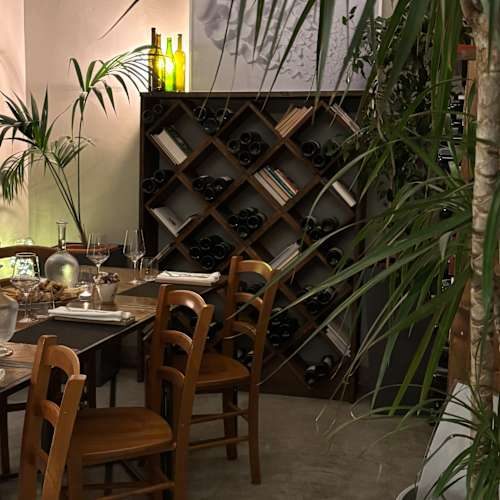
Piedmontese and Savoy classics served inside an 18th-century Juvarra palazzo overlooking Porta Palazzo market, with a food emporium attached.
Bar & Caffetterie
Torino invented the aperitivo and perfected the neighbourhood café — from a riverside terrace to a vermouth bar built into a century-old shopfront.
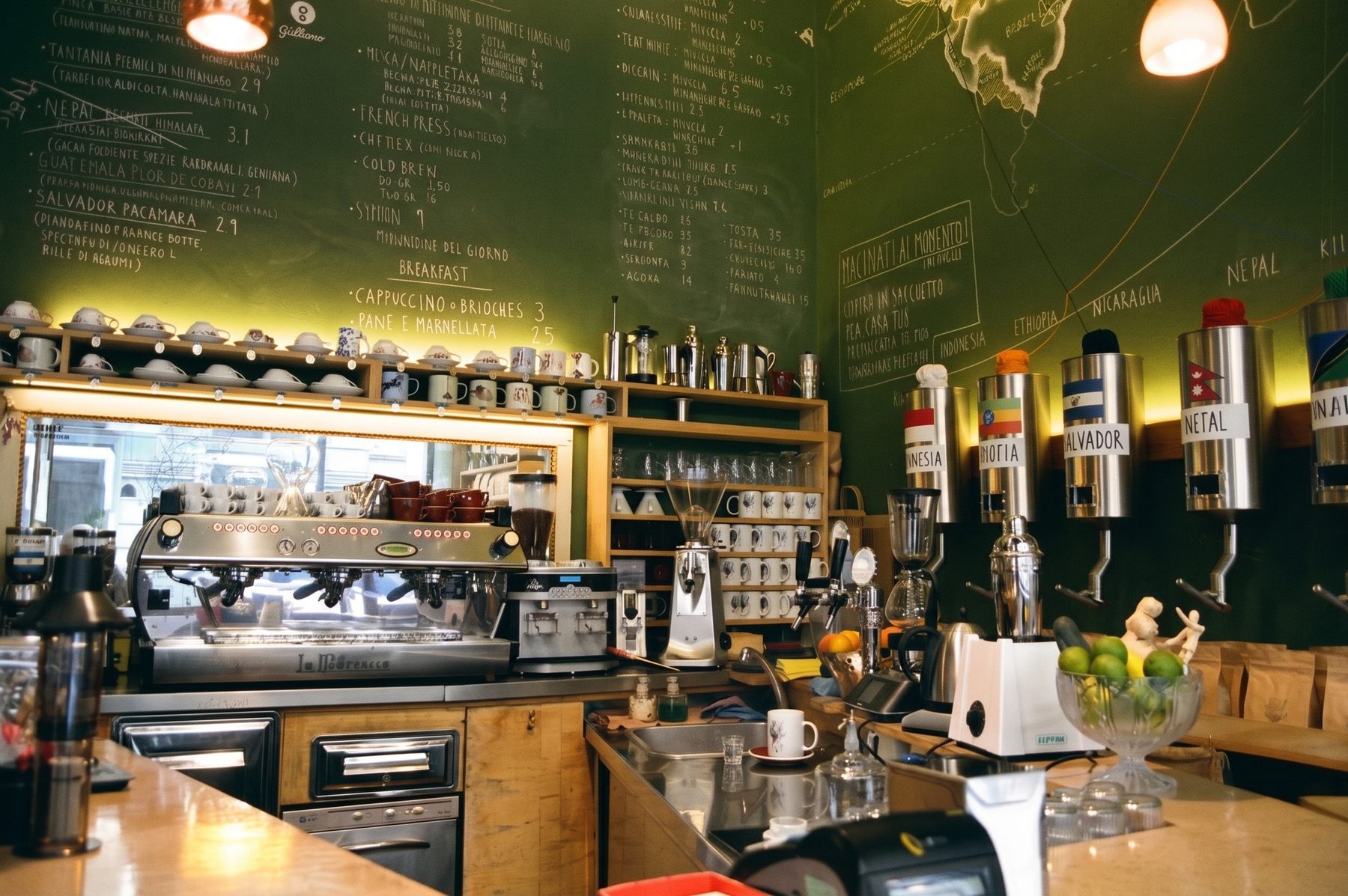
San Salvario's original specialty-coffee lab, open since 2014 — single-origin beans, rotating micro-lots, and AeroPress, Chemex or syphon on request instead of just espresso.
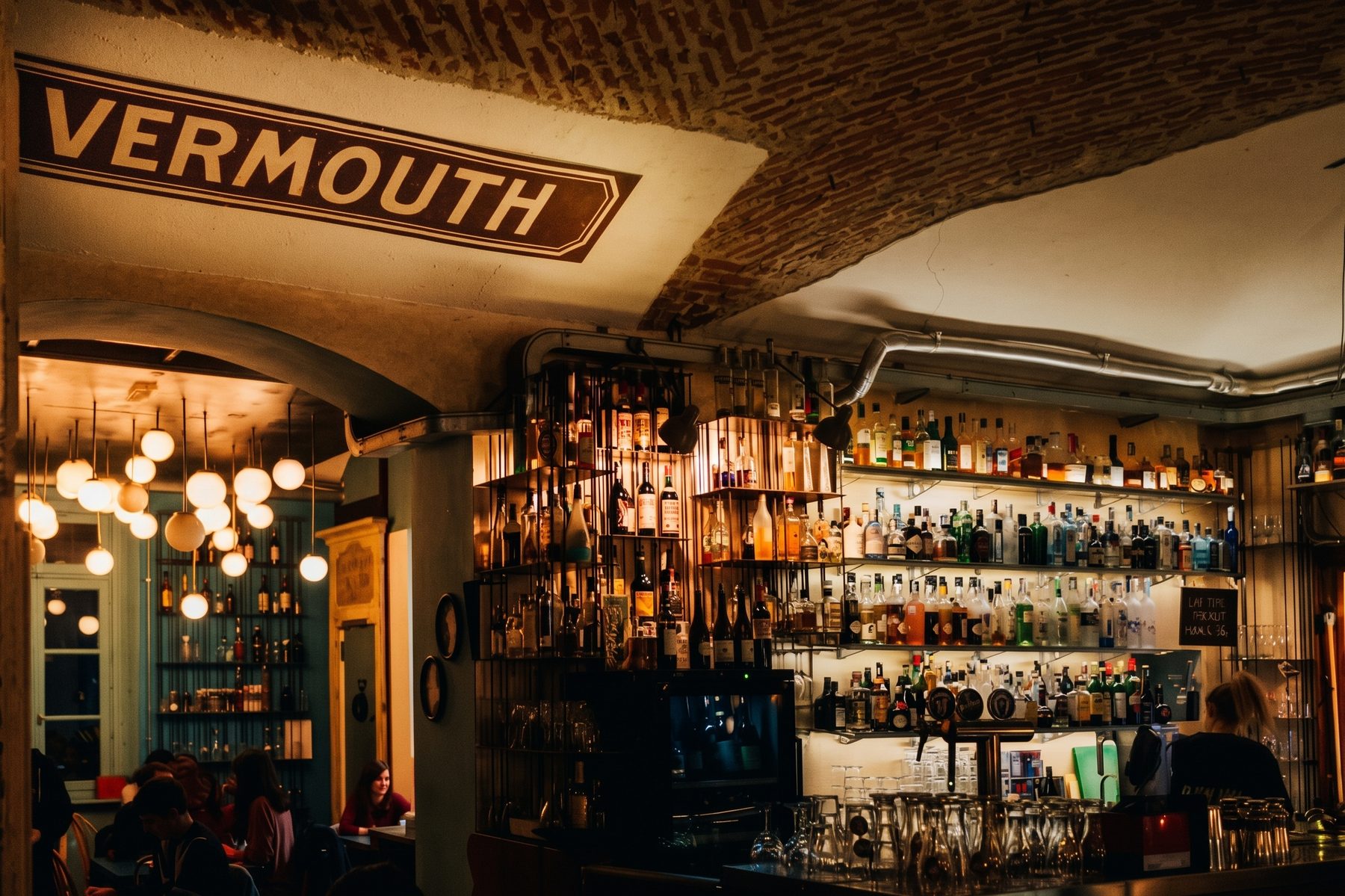
A San Salvario cocktail bar set inside the former home of vermouth house Vermut Anselmo — vermouth and amaro-driven cocktails paired with an original tapas menu.
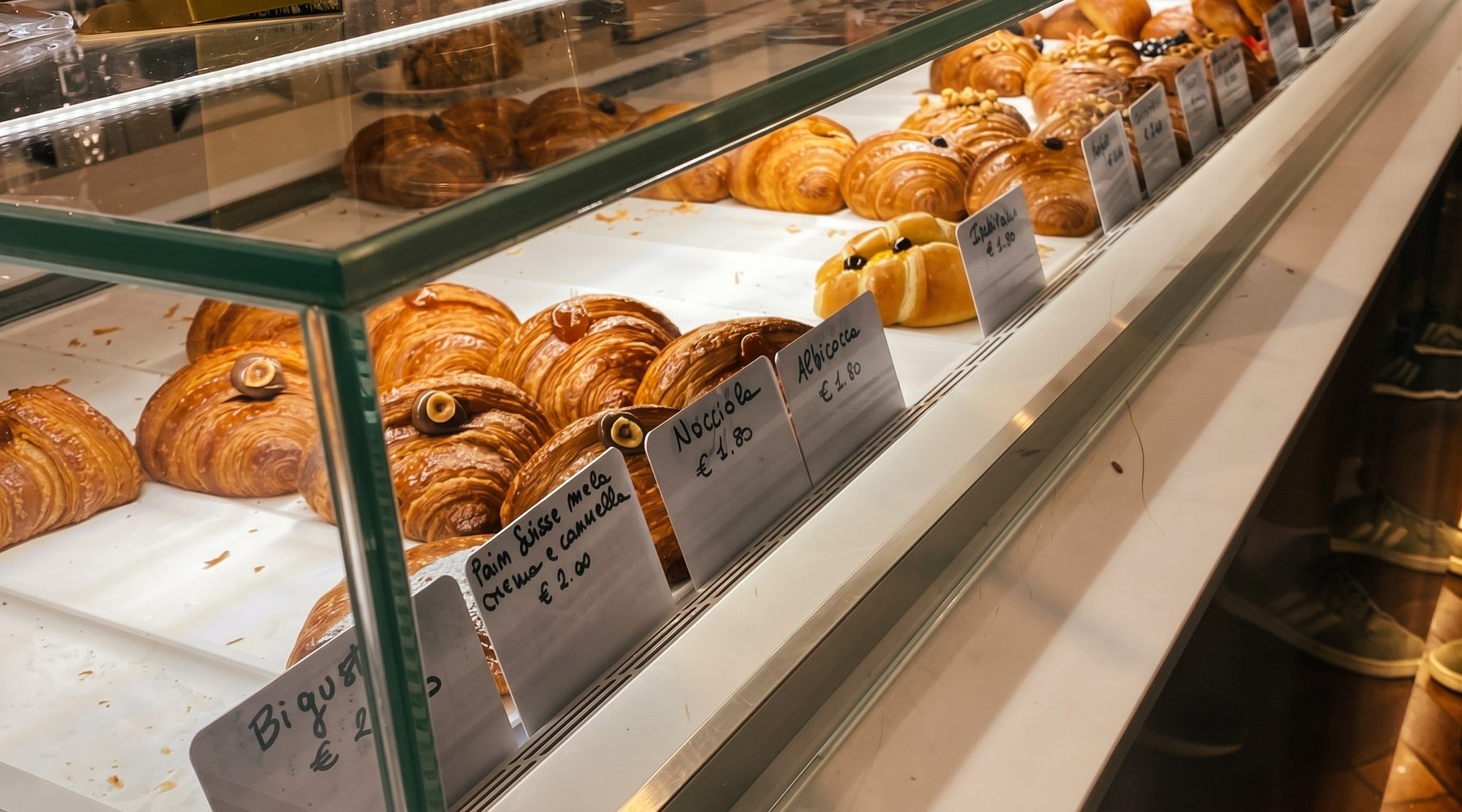
A Neapolitan pastry shop run by a Campanian family since 2022, famous in Torino for its cornetto fritto — plus sfogliatelle and delizia al limone done the proper southern way.
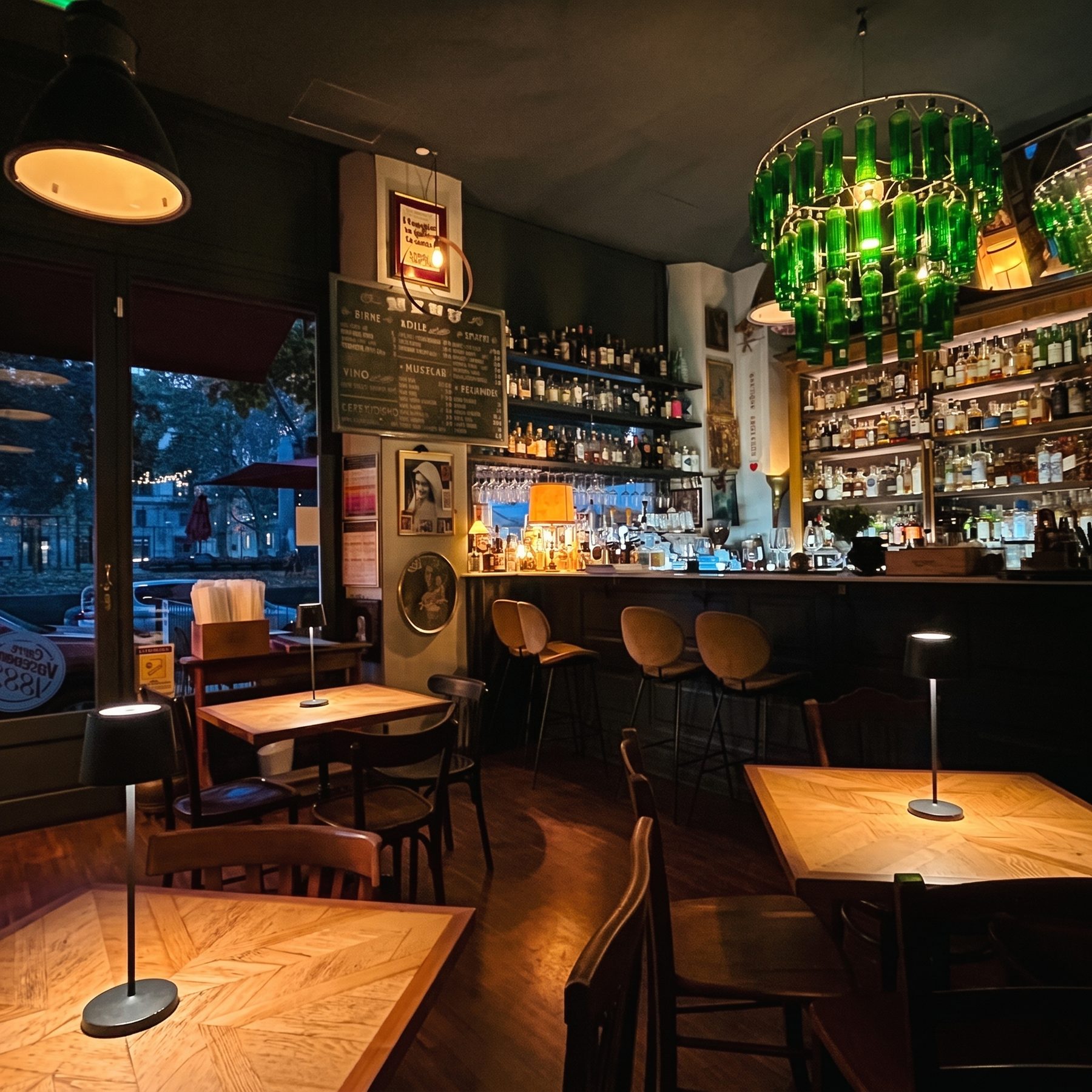
A wine-and-cocktail bar tucked into the Quadrilatero Romano, built around a serious spirits list and a well-balanced Negroni, with seasonal tapas to go with the drinks.
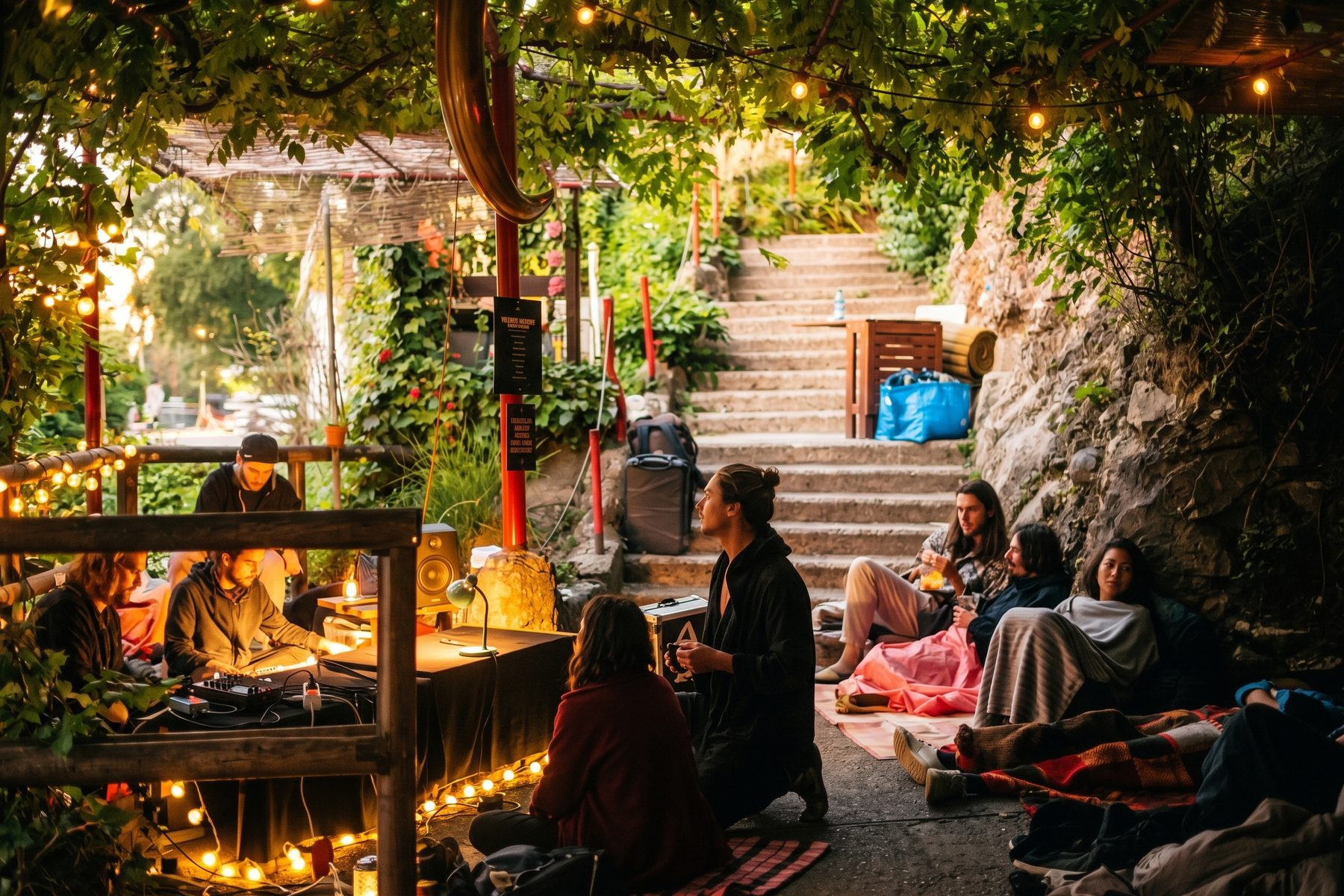
A bar and kitchen built into the riverbank of Parco del Valentino, with a terrace right on the Po and views toward the Gran Madre — also hosts exhibitions and live music.
Prodotti Tipici
Torino is Italy's chocolate capital and one of its great market cities — three ways to bring a taste of it home.
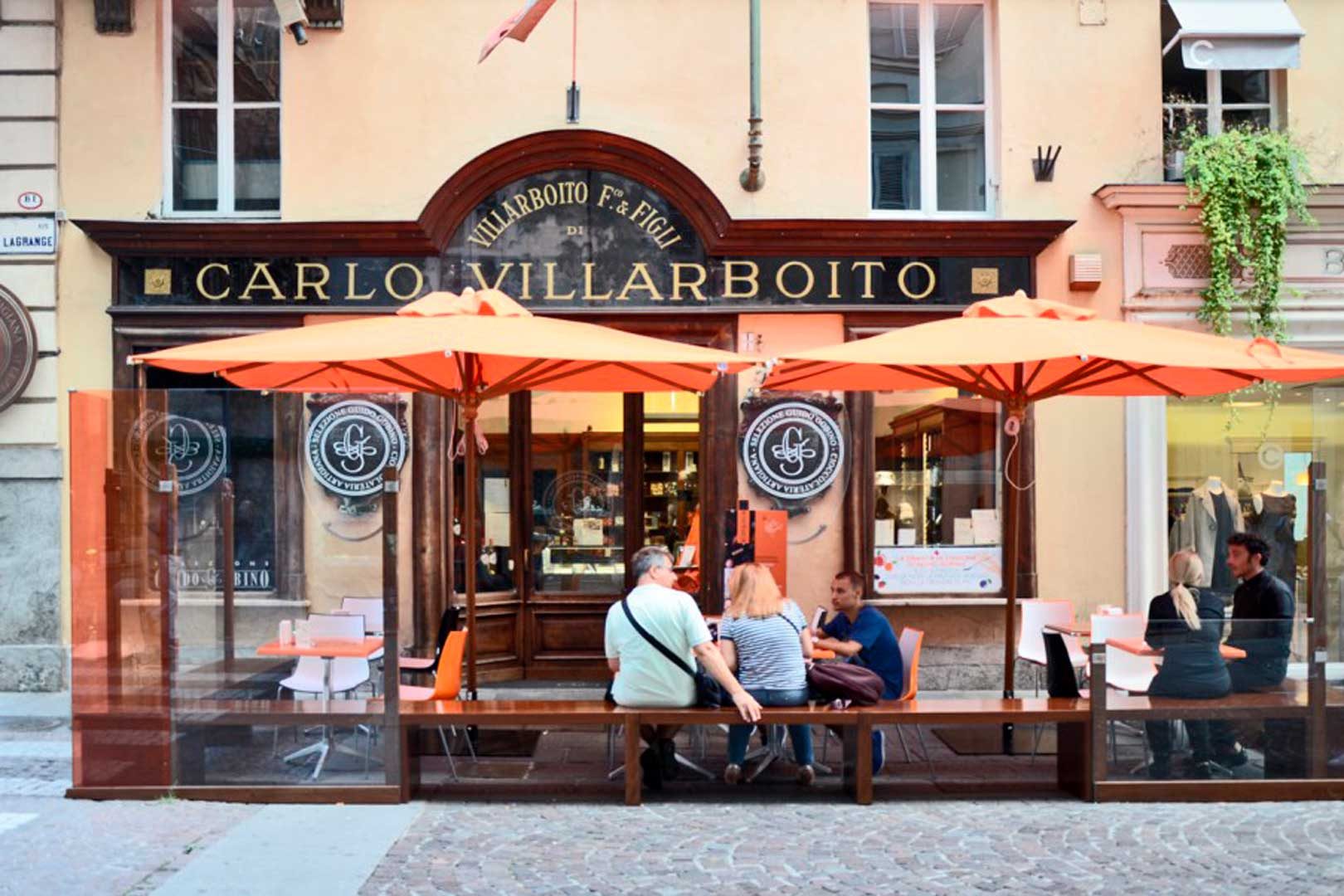
One of Torino's most celebrated chocolatiers — exceptional gianduiotti and single-origin bars, made a short walk from the apartment in San Salvario.
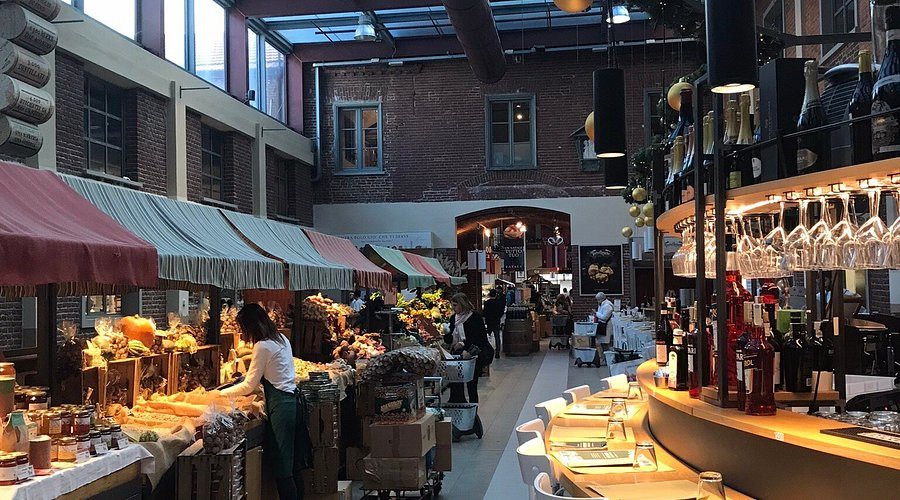
The original Eataly, born in Torino inside the former Carpano vermouth plant at Lingotto — an entire hall of Piedmontese wine, cheese, pasta and produce under one roof.
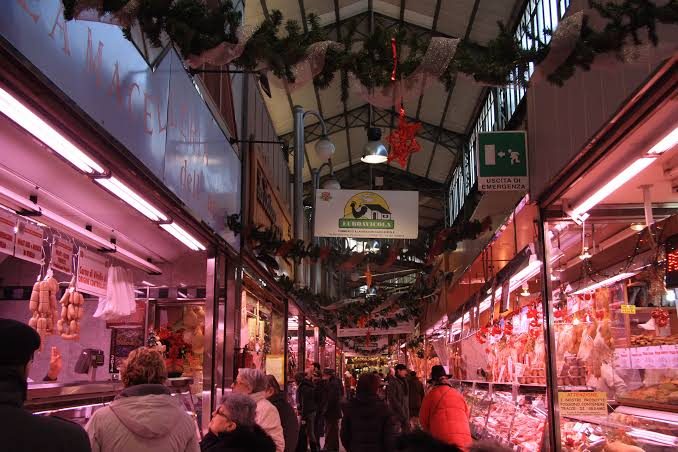
Reputed to be Europe's largest open-air market — fresh produce, cheese, fish and the Saturday Gran Balôn flea market, all in one sprawling, unpretentious square.
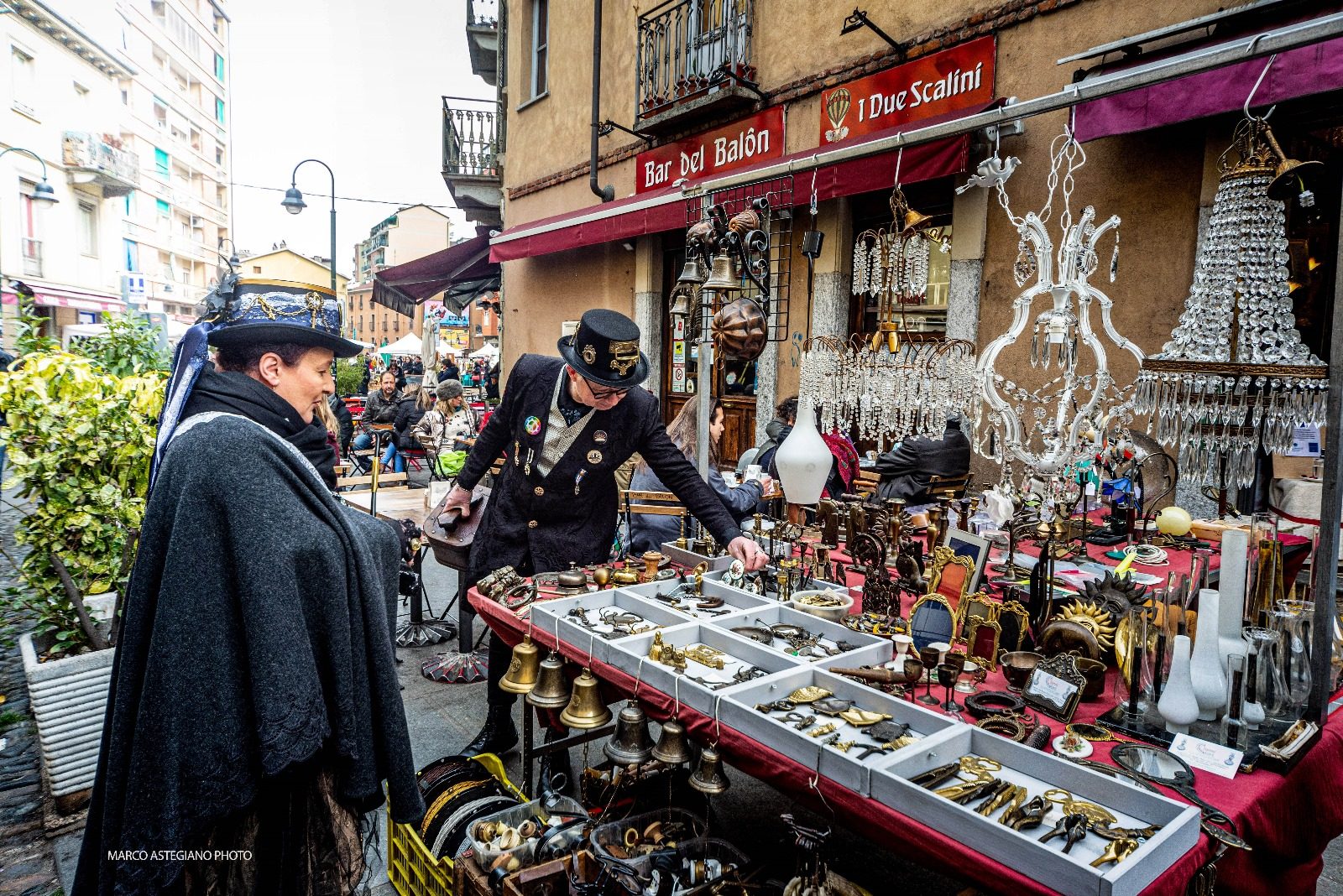
Torino's historic Saturday flea market in Borgo Dora — antiques, vintage clothing, records and bric-a-brac, growing into the bigger Gran Balôn fair every second Sunday.
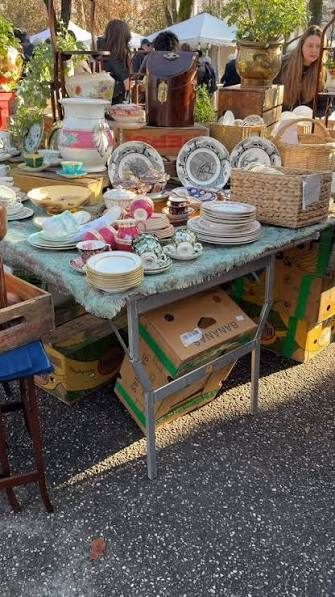
A branch of Italy's "Il Mercatino" consignment-shop franchise in Borgo San Paolo — secondhand furniture, antiques, books, records and clothing, with constantly changing stock.
Staying at San Secondo 12? We're happy to help you plan every detail of your time in Torino.